Electric Vehicles

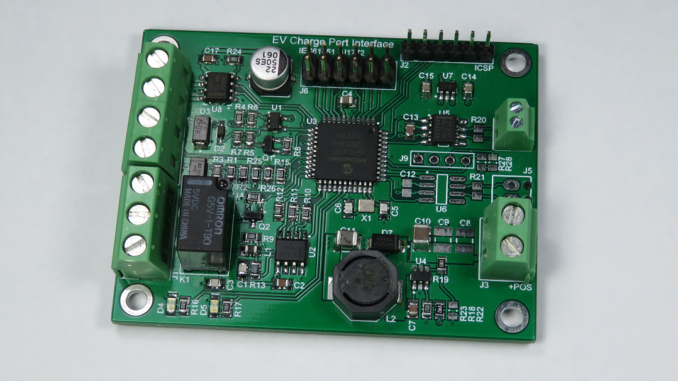
IEC61851 / J1772 Electric Vehicle Charge Controller

This device acts as the vehicle when connected to an EVSE (Electric Vehicle Supply Equipment) and negotiates the supply of power. It can be used in EV (Electric Vehicle) conversions, or in applications where you want to obtain power from public charging infrastructure – i.e., battery trailers to replace dirty and noisy generators, electric watercraft etc. Both hardware and firmware is provided as open source. The provided firmware will allow the EVCC to successfully request power and obtain the maximum obtainable current. Boiler plate code is available for the CAN interface and some firmware development would be expected to interface

Electronics Hardware

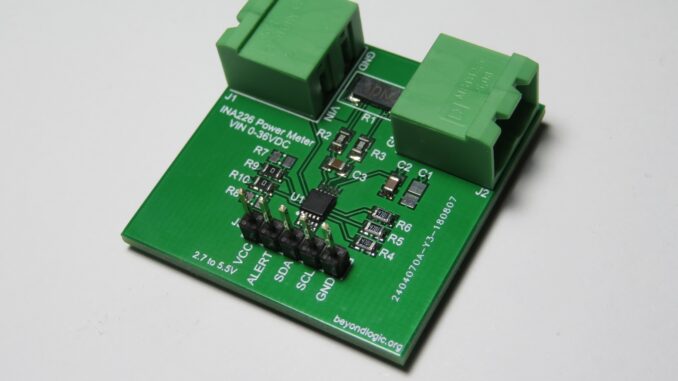
INA226 DC Voltage/Current/Power Monitor

A breakout board for a DC Voltage/Current/Power Meter based on the popular INA226 36-V, Bi-Directional, Ultra-High Accuracy, I2C Current/Power Monitor with Alert.  While many INA226 breakout boards are available from eBay/Banggood/AliExpress (e.g. CJMCU-226) they do not allow for easy connection of the bus voltage. In addition, we list different shunt resistor values you can use to customise the current range to best suit your application. Specifications Design Notes The device is powered via a separate 2.7 to 5.5V power supply connected to J3. Typical power consumption is just 330uA @ 3.3V.  The signed 16-bit bus voltage register has a least significant bit/resolution

Software

What is MQTT?

MQTT stands for Message Queuing Telemetry Transport. It is a lightweight protocol designed for efficiently transporting messages between M2M or IoT devices. It uses a publish-subscribe model where devices publish information to a broker, and any number of clients can subscribe to them. For example, a temperature sensor device in the home could publish the temperature to a topic, for example /home/indoor/temperature. The air conditioning system could then subscribe to this temperature and switch on and off when the value exceeds programmed thresholds. It might also be desirable to have an indoor temperature display. This device could also subscribe to

LoRaWAN

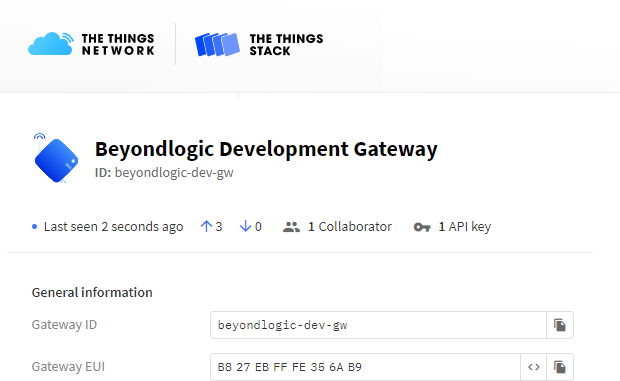
LoRaWAN: Installing Basic Station and connecting to The Things Network V3 Stack

With the migration of The Things Network to the version 3 stack, I thought it was an opportune time to upgrade my Raspberry PI based gateway from the legacy Semtech packet forwarder to Basic Station. Basic Station LoRaWAN gateway maintainers should be using secured and encrypted connections to the LoRaWAN Network Server (LNS) rather than the old legacy packet forwarder using UDP packets. Semtech provide opensource software called LoRa Basics™ Station for this purpose: Basic Station exchanges data as JSON encoded objects over secure WebSockets.  The gateway identifies itself with a secret API key, ensuring it’s authorised. In addition to